
In vitro fertilization is one of the most widely used and effective fertility treatments available today. For many individuals and couples, IVF represents both hope and uncertainty. Understanding the basic principles of IVF helps intended parents approach treatment with clarity, confidence, and realistic expectations.This guide provides a clear overview of how IVF works and what patients should know before beginning their journey.

What Is IVF?
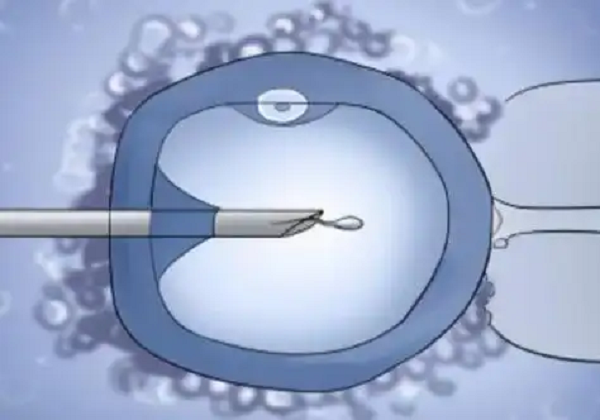
IVF is a medical process in which an egg is fertilized by sperm outside the body in a laboratory setting. Once fertilization occurs and embryos begin to develop, one or more embryos may be transferred into the uterus with the goal of achieving pregnancy.IVF is commonly used to address a wide range of fertility challenges,It is also an option for individuals and couples seeking assisted reproduction for personal or medical reasons.

The Key Steps of the IVF Process
While each treatment plan is personalized,Medications are used to stimulate the ovaries to produce multiple eggs in a single cycle.Ultrasound and hormone tests monitor follicle development and determine the optimal time for egg retrieval.Eggs are collected through a minor medical procedure performed under sedation.Eggs are fertilized with sperm in the laboratory, and embryos are carefully monitored as they develop.One or more embryos are transferred into the uterus with the goal of implantation.A blood test is used to confirm pregnancy approximately two weeks after transfer.

Who Can Benefit from IVF?
IVF is suitable for a wide range of patients. It may be recommended when other fertility treatments have been unsuccessful or when specific medical conditions make natural conception difficult.Your fertility specialist will determine whether IVF is appropriate based on individual circumstances.

Understanding IVF Success Rates
IVF success rates vary depending on factors such as age, diagnosis, egg quality, and overall health. It is important to understand that success rates reflect averages—not guarantees.A qualified fertility clinic will explain success rates transparently and help patients set realistic expectations based on their unique situation.
Common Myths About IVF
There are many misconceptions about IVF. Modern IVF is designed to prioritize safety, personalization, and ethical medical care.
IVF involves both physical treatment and emotional commitment. Hormonal changes, waiting periods, and uncertainty can be challenging. Emotional support, open communication, and self-care are essential components of the IVF journey.Patients are encouraged to seek guidance, ask questions, and build a support system throughout treatment.
The content is sourced from https://www.dyetexcorp.com/ and please attribute it when re-posting.
No responses yet