
With the advancement of modern technology, in vitro fertilization (IVF) has become an important means for many families to fulfill their parents’ dreams. These misunderstandings not only affect the public’s perception of IVF, but may also impact the treatment outcome and psychological state. So, what are the common misconceptions about IVF?

Can in-vitro fertilization treatment definitely succeed?
Many people mistakenly believe that as long as they choose in-vitro fertilization treatment, they will definitely get pregnant. However, in fact, the success rate of in-vitro fertilization is not 100%. The success rate is influenced by various factors, including the woman’s age, ovarian function, uterine environment, embryo quality, etc. The success rate of in-vitro fertilization technology has been increasing year by year, but it cannot guarantee that every treatment will result in pregnancy.

Is the process of in vitro fertilization very painful?
Although in vitro fertilization treatment is a systematic and complex process, patients may worry about the pain during embryo transfer or during egg retrieval. Under the operation of professional medical teams, the egg retrieval process is usually carried out under anesthesia and there will be no obvious pain. During embryo transfer, the doctor will operate very gently, and the entire process is relatively simple.
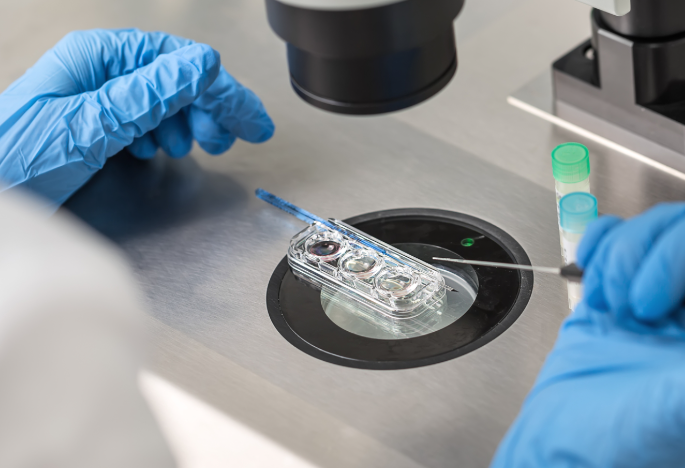
Is in vitro fertilization the same as artificial pregnancy?
Many people misunderstand that in vitro fertilization is a complete artificial pregnancy. In vitro fertilization does not mean artificial pregnancy. It merely completes the fertilization process outside the body. After the embryo develops to a certain stage, it is then transplanted into the mother’s uterus for a natural pregnancy process.
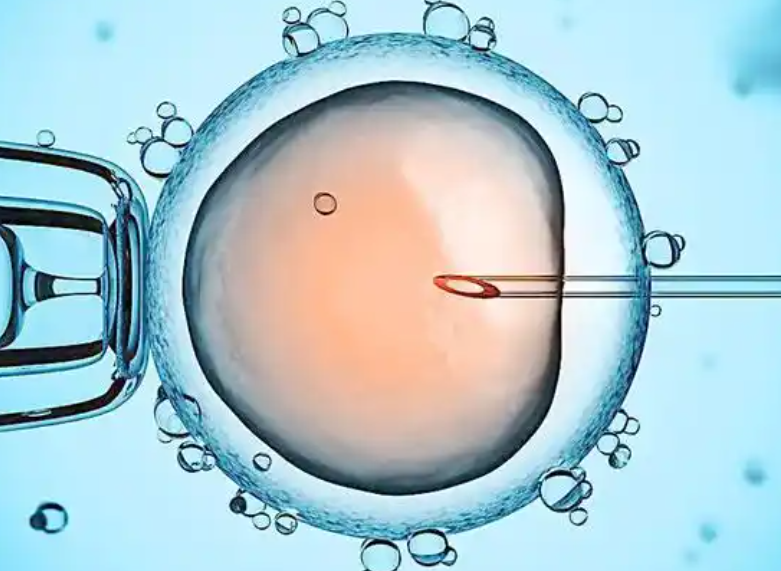
Is IVF suitable for everyone?
Although IVF can help many couples who have difficulties in conceiving fulfill their dream of becoming parents, it is not suitable for everyone. IVF is not applicable to women who are unable to conceive due to severe uterine deformity or health problems. Doctors will propose other more appropriate solutions based on their specific conditions.

Can in vitro fertilization treatment be successful with just one attempt?
In vitro fertilization treatment can be guaranteed to succeed with just one attempt, but in reality, this is often not the case. The treatment process for in vitro fertilization may require several rounds, especially for women who are older or have poor ovarian function, and the success rate may be affected.

The babies born through in vitro fertilization may have genetic problems.
Some people are concerned that babies born through in vitro fertilization might be more prone to inherit more diseases or abnormalities. However, the technology of in vitro fertilization does not increase the risk of genetic diseases in babies. Doctors can select healthy embryos, significantly reducing the risk of genetic diseases. Just like babies conceived naturally, babies born through in vitro fertilization will experience normal growth and development after birth.
This article aims to help people gain a more comprehensive understanding of IVF by revealing common misconceptions. The content is sourced from https://www.dyetexcorp.com/ and please credit the original source.
No responses yet