
Infertility is a challenge faced by many families, but the in vitro fertilization (IVF) technology has brought hope to many couples who long to have children. Today, we will take you through the step-by-step process of IVF treatment.

Diagnostic stage
Before officially starting the in vitro fertilization treatment, the doctor will conduct a series of examinations based on the physical conditions of both the husband and the wife. Through these examinations, the doctor can determine whether the couple is suitable for in vitro fertilization treatment and help select the most appropriate treatment plan.

Ovulation induction stage
One of the key steps in IVF treatment is to regulate the hormone levels in a woman’s body through medication, so as to enable the ovaries to release multiple eggs at once. During this period, patients need to visit the hospital regularly for blood tests and ultrasound examinations to monitor the growth of follicles.

Oocyte retrieval and sperm preparation
This process is usually carried out under vaginal ultrasound guidance. The doctor will gently insert a needle through the vaginal wall to extract the eggs. The entire process usually does not require general anesthesia, but local anesthesia or sedative drugs will be used.

Fertilization and Embryo Cultivation
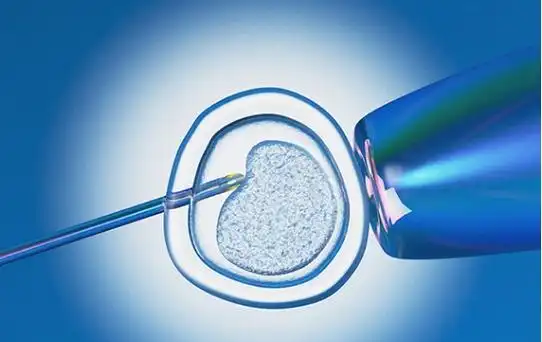
Within a few hours after egg retrieval, doctors will combine the sperm with the eggs for fertilization. The fertilized eggs will then be cultivated into embryos, which typically require 3 to 5 days of cultivation. The embryos will undergo division and development, and the best ones will be selected in the end.
Embryo transfer
When the embryo reaches a certain stage of development, the doctor will determine the timing of the transfer based on the quality of the embryo. Embryo transfer is the final step in the treatment of in vitro fertilization. The doctor will gently insert the high-quality embryo into the woman’s uterine cavity through a tiny tube.

Pregnancy testing and follow-up monitoring
After embryo transfer, usually 10 to 14 days later, the doctor will arrange a blood test to check the HCG level to confirm whether pregnancy has occurred. Subsequently, an ultrasound examination will be conducted to confirm whether the embryo has implanted in the uterus and to assess the health of the embryo.
Psychological suppor
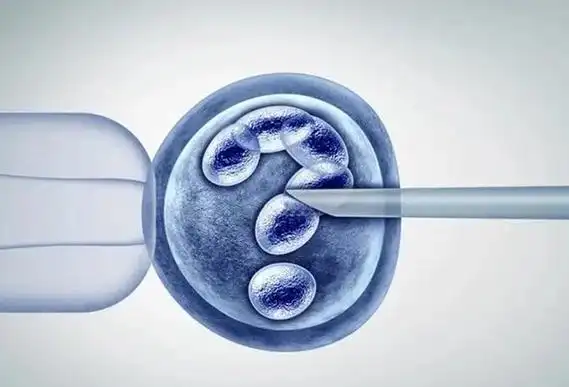
In vitro fertilization treatment is not only a physical challenge but also a psychological test. Both the husband and wife may experience multiple periods of anticipation, disappointment, and stress. Many in vitro fertilization treatment centers offer psychological counseling services to help maintain a positive and optimistic attitude.
I hope that by reading this article, you will have a clearer understanding of in vitro fertilization treatment. If you or your family is considering this treatment method, it is recommended to consult a professional doctor as soon as possible and customize the most suitable plan according to your personal situation.
This content is provided by the surrogacy website https://www.dyetexcorp.com/
No responses yet