
With the advancement of science and technology, test-tube babies have become the hope of many families. For couples who cannot naturally conceive due to various reasons, test-tube babies offer another path to parenthood. So, how were test-tube babies actually born?

The process of creating a “test-tube baby”
The woman will undergo a type of ovarian stimulation treatment, usually by injecting hormone drugs to promote the simultaneous maturation of multiple follicles. This is because, under normal circumstances, a woman only releases one mature egg each month. To increase the success rate, doctors use drugs to allow multiple eggs to mature, ensuring the normal development of the follicles.

Oocyte retrieval surgery
When the eggs are mature, the doctor will arrange an oocyte retrieval surgery. This surgery is usually performed under local anesthesia. Using a thin needle, the eggs are extracted from the woman’s ovaries. The entire process takes approximately 30 minutes to 1 hour. After the surgery, the woman may feel a slight discomfort, but she will usually recover quickly.
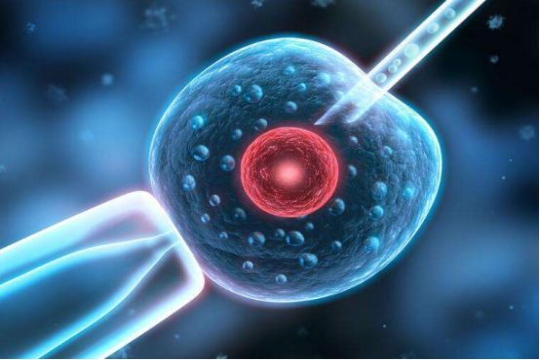
Sperm collection and processing
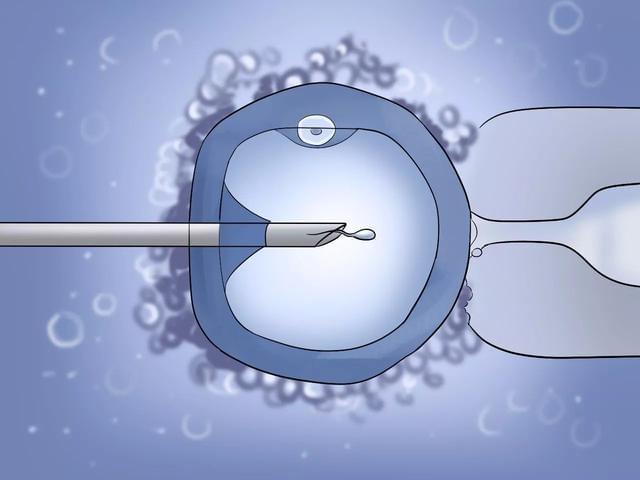
Men also need to provide sperm samples. After the sperm is processed, the doctor will select the best quality sperm for in vitro fertilization. The doctor will choose a single sperm and directly inject it into the egg. This technique is called single sperm injection.
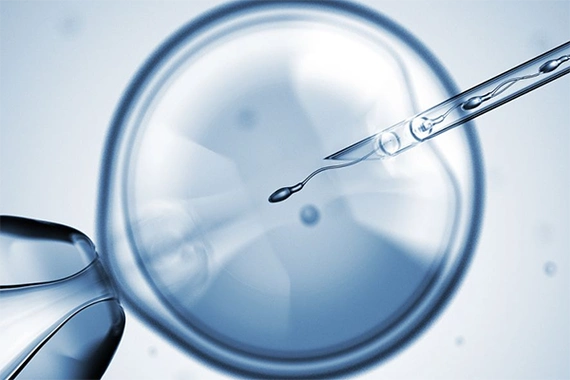
In vitro fertilization and embryo culture
Next, the egg and sperm are combined in the laboratory. After a period of cultivation, the embryo begins to develop. Depending on the specific circumstances, the doctor will select the healthiest embryo for transplantation. The embryo will be cultivated in vitro for 3 to 5 days. Some embryos may be frozen for future use.
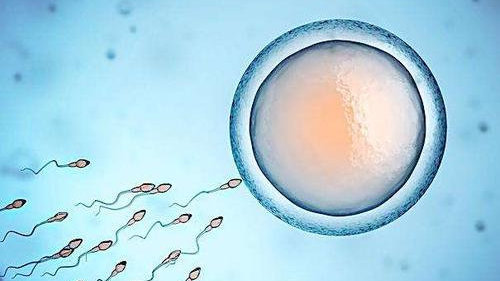
Embryo transfer
The carefully selected embryos will be transplanted into the woman’s uterus. The embryos will be gently inserted into the uterus through a tiny tube. After implantation, the woman may successfully become pregnant. The doctor will arrange for the woman to undergo a blood test a few days after the transfer to confirm whether she is pregnant.
Embryo confirmation
Approximately 10 to 12 days after embryo transfer, the woman needs to go to the hospital for a blood test to check for signs of pregnancy. If the result is positive, the woman will enter the pregnancy management stage and start subsequent prenatal examinations and care.
In vitro fertilization technology is a remarkable achievement in modern medicine, helping countless couples facing infertility problems realize their dreams of becoming parents. In vitro fertilization combines nature with technology, breaking through many limitations of natural childbirth, allowing love and hope to continue with the support of medicine.
The content is sourced from https://www.dyetexcorp.com/. Please indicate the source when reprinting.
No responses yet